Now accepting new patients! Call (248) 557-8120 to book your visit.

Understanding Dental Crowns

Dental crowns offer a robust solution for teeth that are significantly damaged or weakened. These caps restore a tooth's strength, shape, and appearance, providing long-term protection. Dr. Cory Fortson often recommends them to preserve compromised teeth and prevent further issues. They are a common and highly effective restorative treatment in modern dentistry.

Christopher, a man in his early 40s, recently noticed a sharp, persistent pain in one of his back molars. After years of putting off consistent dental visits, he was concerned about the extent of the damage. He knew he needed to address it before it became a more complicated issue.

He wondered if the pain meant his tooth was unsalvageable or if there was a way to save it. Christopher hoped for a solution that would be durable and look natural. He decided to schedule an appointment at Fortson Dentistry - Lathrup Village to understand his options.

Christopher, sits in a modern dental chair, looking attentively at Dr. Cory Fortson, a male dentist, who is holding a dental model of a crowned tooth.

How Crowns Protect Teeth

Dental crowns function as a protective cover, completely encasing the visible portion of a tooth above the gum line. This coverage restores the tooth's structural integrity, especially after it has sustained significant damage from decay, cracks, or extensive procedures. Dr. Fortson explains that crowns prevent further fracture and seal off vulnerable areas.

During his initial visit, Christopher learned that his molar had a large cavity, compromising the tooth's structure. Dr. Fortson explained that a filling alone wouldn't provide enough strength for chewing. "A crown will essentially give your tooth a new, strong outer layer," Dr. Fortson clarified, showing him a model. Christopher felt relieved there was a sturdy solution.

Reasons for a Crown

  • Extensive Decay: A crown provides the necessary strength when a cavity is too large for a dental filling.
  • Cracked or Fractured Teeth: Crowns hold fractured pieces together, preventing further breakage.
  • Post-Root Canal Treatment: Teeth often become brittle after a root canal and need a crown for protection.
  • Worn-down Teeth: Crowns can restore the shape and function of teeth severely worn down by grinding.
  • Cosmetic Enhancement: Crowns can improve the appearance of severely discolored or misshapen teeth.
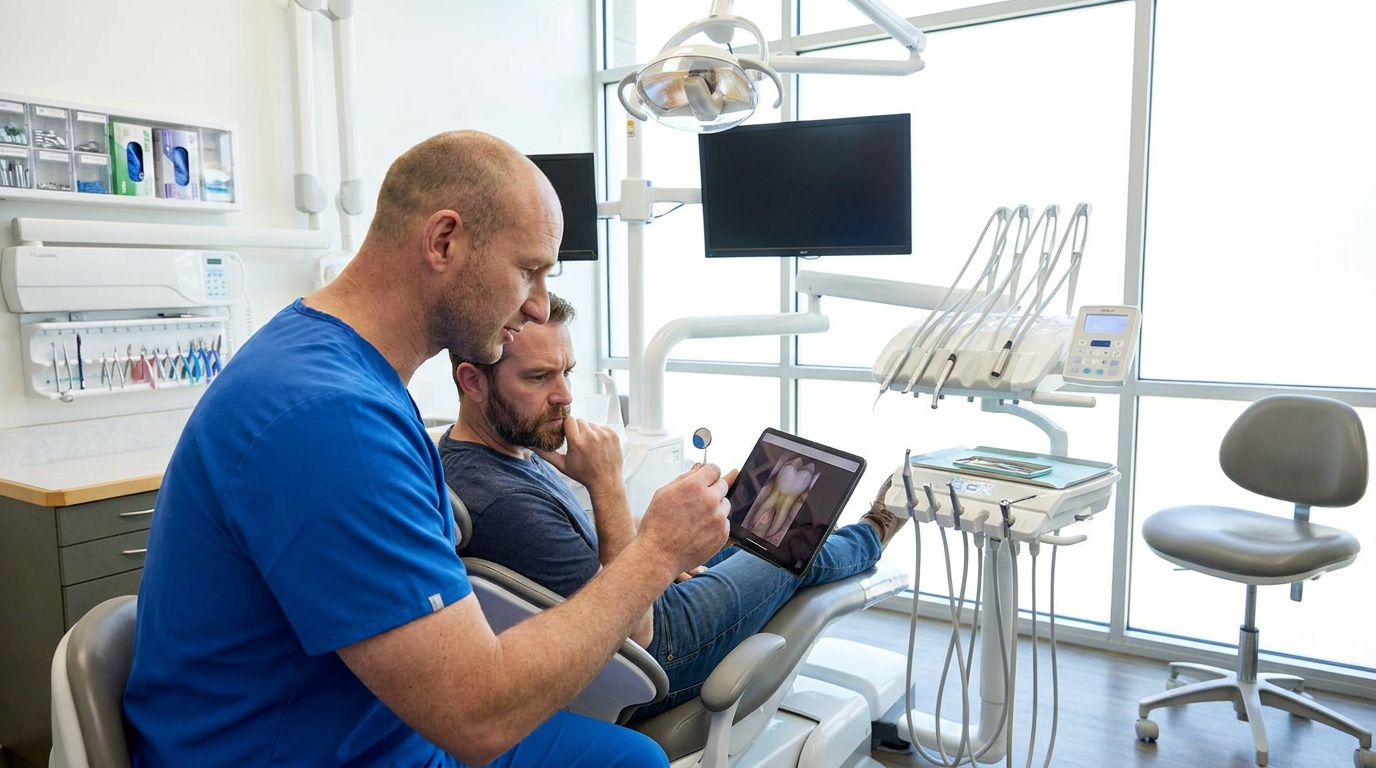
Dr. Cory Fortson, a male dentist in blue scrubs, uses a small mirror to show Christopher, an image of his molar on a tablet screen.

Dental Crown Materials

Modern dentistry offers several choices for dental crown materials, each with unique benefits regarding aesthetics, durability, and cost. The best material depends on the tooth's location, the patient's bite, and their cosmetic preferences. Dr. Fortson guides patients through these options to ensure an optimal outcome.

Christopher was curious about what his new tooth would look like. He specifically asked about materials that would blend in seamlessly. Dr. Fortson explained that for a back molar, strength and durability were paramount, but aesthetics also mattered.

He reassured Christopher that even for molars, options exist for a natural appearance.

Common Crown Materials

  • Ceramic (Porcelain): These crowns offer excellent aesthetics, closely matching natural tooth color. They are a popular choice for front teeth due to their natural appearance.
  • Porcelain Fused to Metal (PFM): PFM crowns provide a strong bond to a metal substructure and can be color-matched to adjacent teeth. They combine the strength of metal with the aesthetics of porcelain.
  • Zirconia: Known for its exceptional strength and durability, zirconia is an excellent choice for back teeth. It also offers a natural white appearance, making it suitable for visible areas as well.
  • Metal Alloys (Gold and Other Alloys): These crowns are incredibly strong and resistant to fracture, making them very durable. While not tooth-colored, they are often used for molars where visibility is less of a concern.
A close-up of Christopher, smiling thoughtfully as he holds a ceramic dental crown model in one hand and a zirconia crown model in the other, feeling the different textures.

Dental Crown Process

Getting a dental crown typically involves two appointments, spaced a few weeks apart, though modern techniques can sometimes condense this. The first visit focuses on preparing the tooth and taking impressions. The second visit sees the final crown cemented into place.

Christopher was relieved to hear the process was well-defined. Dr. Fortson outlined the first appointment: gently numbing the area, removing the decay, and carefully shaping the tooth. This preparation creates an Tideal foundation for the crown. Christopher appreciated the clear explanation.

He learned that after preparation, Dr. Fortson would take precise digital impressions of his tooth. These impressions are crucial for the lab to create a custom crown that fits perfectly. A temporary crown would then protect his tooth while the permanent one was being fabricated, usually taking about two to three weeks.

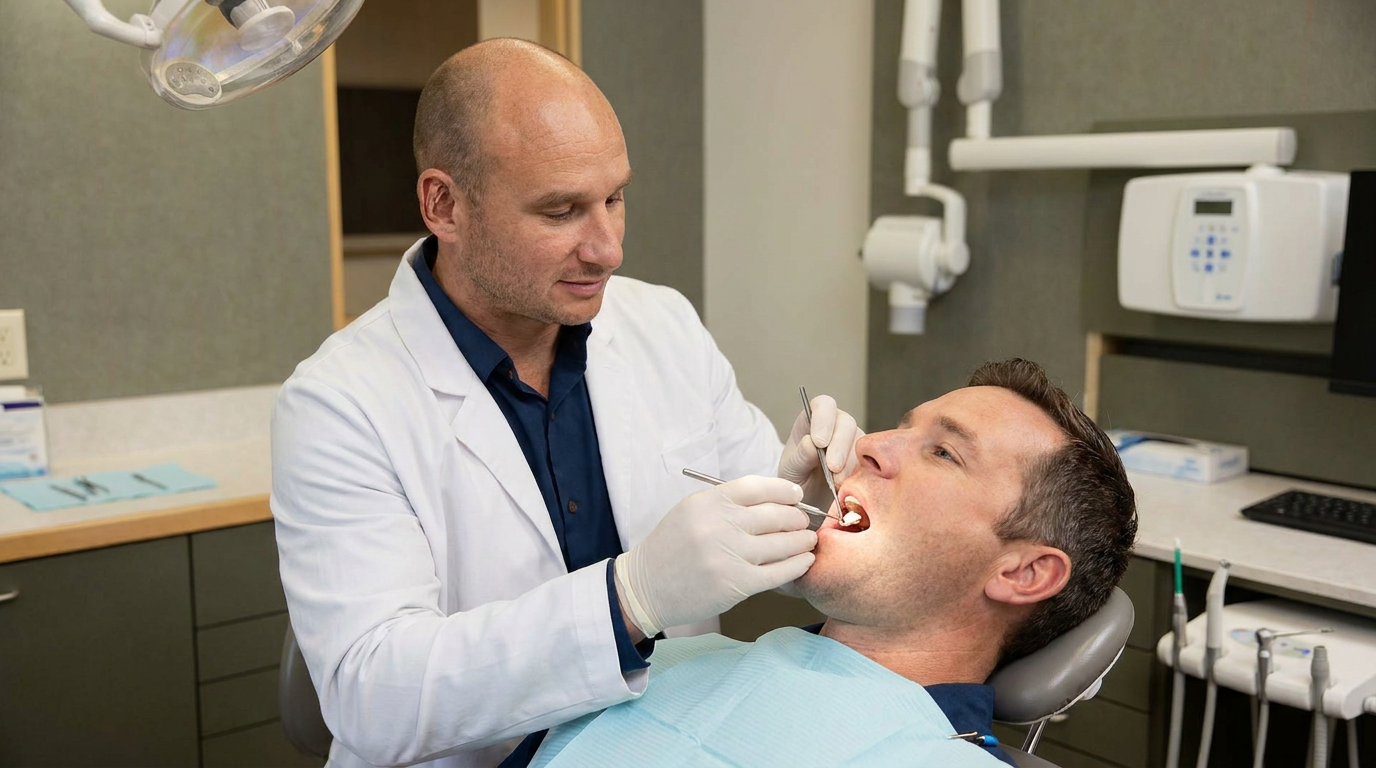
Dr. Cory Fortson, a male dentist in a lab coat, gently places a small, temporary dental crown onto a patient's prepped tooth.

Ready for a Stronger Smile?

Considering a dental crown or have concerns about a damaged tooth? Dr. Cory Fortson and the dedicated team at Fortson Dentistry - Lathrup Village are here to help. Schedule a consultation today to explore your options and find the best solution for your oral health needs.

Post-Procedure Crown Care

Proper care after receiving a dental crown is essential for its longevity and the health of the surrounding teeth. While the crown itself cannot decay, the tooth underneath it and the gum tissue around the crown remain susceptible to issues. Adopting a diligent oral hygiene routine is crucial.

Christopher wanted to ensure his new crown would last. He asked Dr. Fortson about the best way to care for it. "Treat your crown just like your natural teeth," Dr. Fortson advised. This familiar advice made Christopher feel more confident.

He understood that consistency was key.

Essential Aftercare Tips

  • Maintain Excellent Oral Hygiene: Brush your teeth at least twice a day and floss daily around the crowned tooth. This prevents decay at the crown margin and gum disease.
  • Avoid Hard or Sticky Foods: For the first few days, especially with a temporary crown, avoid chewing on hard candies or sticky foods like caramels. These can dislodge or damage the crown.
  • Address Teeth Grinding: If you grind your teeth, Dr. Fortson might recommend a nightguard. Grinding can put excessive pressure on crowns and natural teeth.
  • Regular Dental Check-ups: Continue scheduling regular check-ups and cleanings with Dr. Cory Fortson. These visits allow him to monitor your crown and overall oral health.
  • Report Any Issues Promptly: If you experience pain, sensitivity, or if the crown feels loose, contact the Fortson Dentistry - Lathrup Village team immediately.
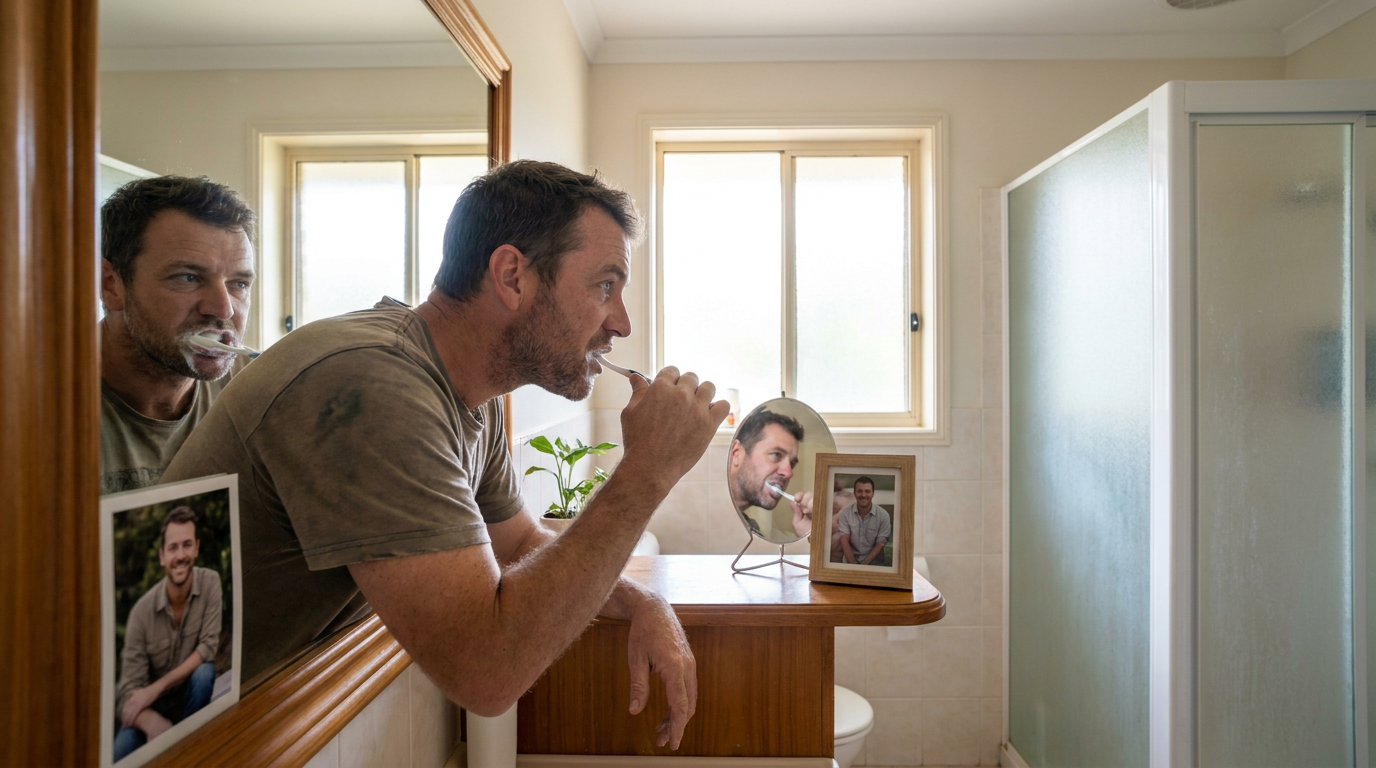
Christopher, stands in a brightly lit bathroom, brushing his teeth diligently with a soft-bristled toothbrush.

Crown Lifespan

With proper care, dental crowns are designed to be a long-lasting restorative solution, often enduring for 10 to 15 years or even longer. Their lifespan can vary significantly based on factors such as oral hygiene, eating habits, and the material chosen for the crown. Dr. Fortson emphasizes that diligence plays a major role.

Christopher asked directly about the crown's expected lifespan. He wanted a solution that wouldn't need frequent replacement. Dr. Fortson explained that while the crown itself is very durable, the tooth beneath it is still vulnerable to new decay. This insight highlighted the importance of consistent home care.

He also mentioned that habits like chewing ice or clenching and grinding teeth could shorten a crown's life. "Think of it as an investment in your oral health," Dr. Fortson told him. This perspective helped Christopher understand the value of proactive maintenance.

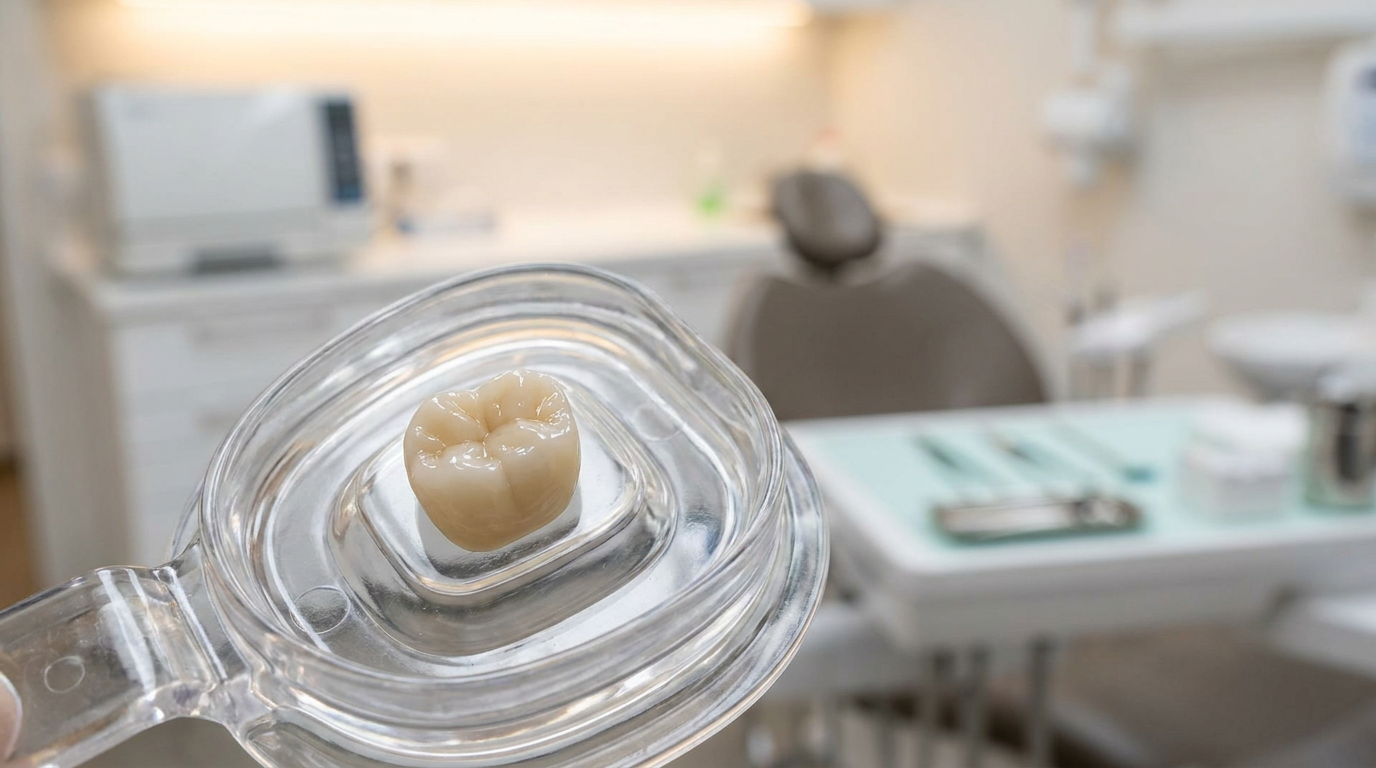
A close-up overhead shot of a single dental crown resting on a clear tray, illuminated by a gentle light, symbolizing durability and longevity.

When Is a Crown Not Best?

While highly versatile, dental crowns are not always the ideal solution for every dental problem. Sometimes, a less invasive treatment might suffice, or the tooth might be too severely compromised for a crown to be effective. Dr. Fortson carefully assesses each patient's situation.

Christopher wondered if there were alternatives. Dr. Fortson explained that if the damage was minimal, a simple filling or an onlay might be sufficient. Conversely, if a tooth was extensively damaged below the gum line or had very poor structural integrity, an extraction might be necessary followed by other restorative options.

It was clear that individualized assessment was key.

Alternatives and Contraindications

  • Small Cavities: For minor decay, a dental filling is often sufficient and more conservative.
  • Severely Damaged Teeth: If a tooth is fractured too far below the gum line, or if there isn't enough healthy tooth structure left, an extraction might be recommended.
  • Healthy Tooth Structure: A healthy tooth that only needs cosmetic improvement might benefit more from veneers or bonding.
  • Gum Disease: Existing severe gum disease needs to be addressed and treated before a crown is placed. This ensures a stable foundation for the restoration.
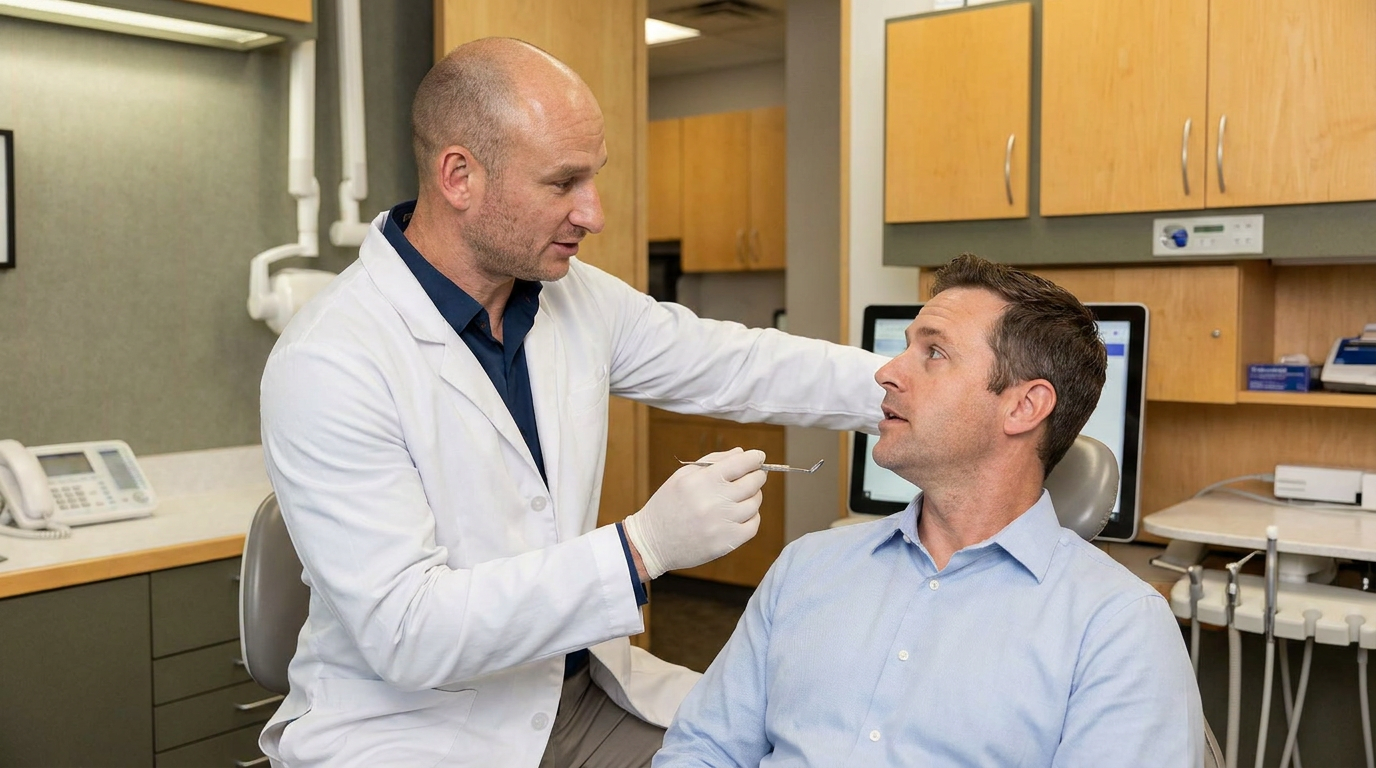
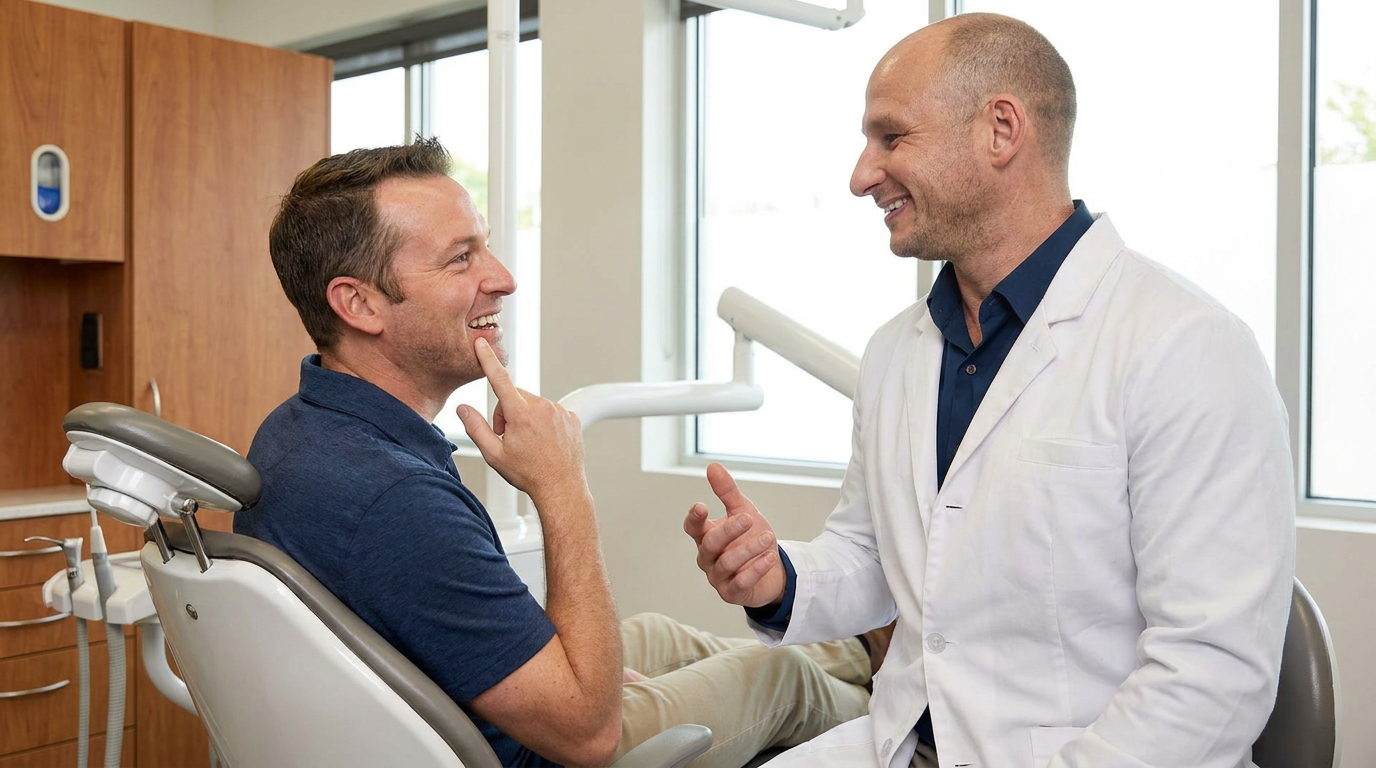
Dr. Cory Fortson, a male dentist in a white lab coat, leans over to speak with Christopher, who is seated in a dental chair.

Your Path to a Healthier Smile

Christopher’s journey from discomfort to a fully restored tooth with a new dental crown exemplifies the blend of advanced dentistry and patient-centered care provided by Dr. Cory Fortson. He walked in with pain and uncertainty, and left with a comprehensive understanding of his treatment. The procedure itself was smooth, and the temporary crown provided immediate relief and protection.

When Christopher returned for his second appointment, his permanent crown was meticulously placed. Dr. Fortson checked his bite and made minute adjustments, ensuring a perfect fit and comfortable function. Christopher was genuinely impressed by how natural the crown felt and looked, blending seamlessly with his other teeth.

He learned that choosing the right treatment means having a clear picture of all available options and understanding their implications. Dr. Fortson's detailed explanations helped Christopher feel confident in his decision. Now, with his pain resolved and his tooth restored, Christopher is committed to maintaining his oral health with regular check-ups and diligent home care, ensuring his new crown serves him well for many years to come.

Christopher, smiles confidently, showing his new, natural-looking dental crown on a back molar.

Frequently Asked Questions

1. What exactly is a dental crown?
A dental crown is a custom-made cap that completely covers a damaged tooth, restoring its strength, shape, size, and appearance. Dr. Cory Fortson uses crowns to protect weakened teeth, cover large fillings, or improve the aesthetics of a tooth. It's a durable and effective solution to save a compromised tooth.

2. Is a dental crown procedure painful?
The dental crown procedure is performed under local anesthesia, so you should not feel any pain during the treatment. Some patients may experience mild soreness or sensitivity after the anesthesia wears off, which can typically be managed with over-the-counter pain relievers. Dr. Cory Fortson prioritizes patient comfort throughout the process.

3. How long does it take to get a dental crown?
Typically, getting a dental crown involves two appointments, spaced about two to three weeks apart. The first visit is for tooth preparation and impressions, while the second visit is for permanent crown placement. Modern technologies can sometimes offer same-day crowns, but the traditional two-visit approach is common at Fortson Dentistry - Lathrup Village.

4. What materials are dental crowns made from?
Dental crowns can be crafted from various materials, including ceramic (porcelain), porcelain fused to metal, zirconia, and metal alloys like gold. Each material offers different advantages in terms of aesthetics, strength, and durability. Dr. Cory Fortson will discuss the best material choice for your specific tooth and needs.

5. Can a crowned tooth still get a cavity?
Yes, a crowned tooth can still get a cavity at the margin where the crown meets the natural tooth structure. The crown itself is impervious to decay, but the underlying tooth and gum line are not. Maintaining excellent oral hygiene and regular dental check-ups are crucial to prevent new decay around your crown.

6. How do I know if I need a dental crown?
You might need a dental crown if you have a tooth with extensive decay, a significant crack, or if the tooth has undergone a root canal procedure. Severe wear or deep discoloration can also indicate a need for a crown. Dr. Cory Fortson will conduct a comprehensive exam to determine if a crown is the right solution for you.


Latest Blog Posts

Stay Informed with Expert Insights & Tips About Dental Care

Finding Your Perfect Dentist in Lathrup Village

Discover how Mark found a trusted Lathrup Village dentist, turning toothache anxiety into a confident, healthy smile.

7.9.2026
READ MORE

Your Guide to Dental Implants in Lathrup Village

Dental implants offer a permanent, natural-looking solution for missing teeth, restoring both appearance and full function.

7.9.2026
READ MORE

Your Cosmetic Dentistry Journey in Lathrup Village

Discover Natalie's journey to a radiant, confident smile in Lathrup Village with personalized cosmetic dentistry!

6.2.2026
READ MORE

BOOK AN APPOINTMENT

New Patient Specials
- $150 -
New Patient Exam, X-rays

New patients only. The cost of a New Patient Appointment will be $150. Cannot be combined with any other offer or insurance. Limited time offer. Call (248) 557-8120 for details.

Thank you for booking your appointment!

We’ve received your request and will contact you soon to confirm the details. We look forward to seeing you at Fortson Dentistry South Lathrup.

Oops! Something went wrong while submitting the form.

Our Location