1. Can old fillings be replaced with new materials?
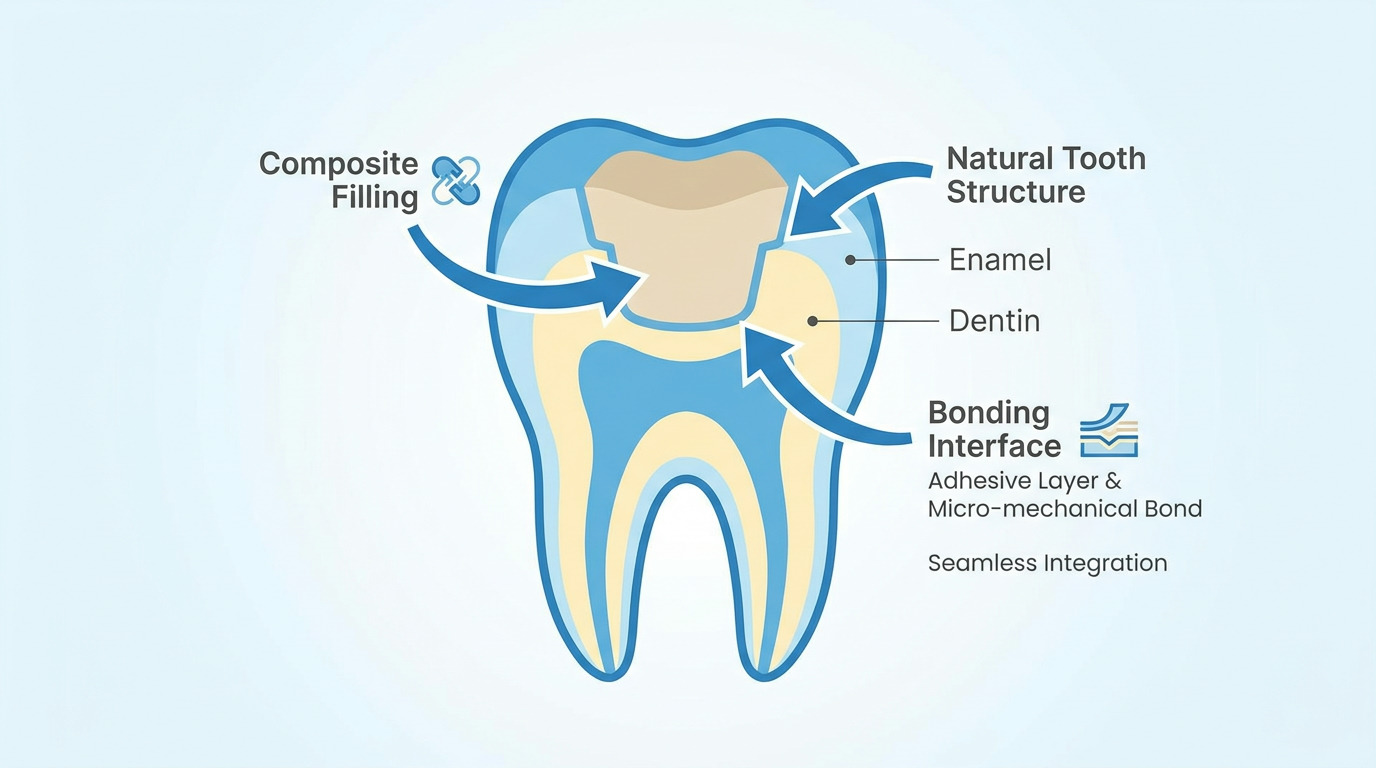
Yes, old fillings can often be replaced with newer materials, such as tooth-colored composite resin. Dr. Cory Fortson evaluates the existing filling and tooth structure to recommend the best replacement option, considering both function and aesthetics for a lasting restoration.
2. What is the best type of filling for durability?
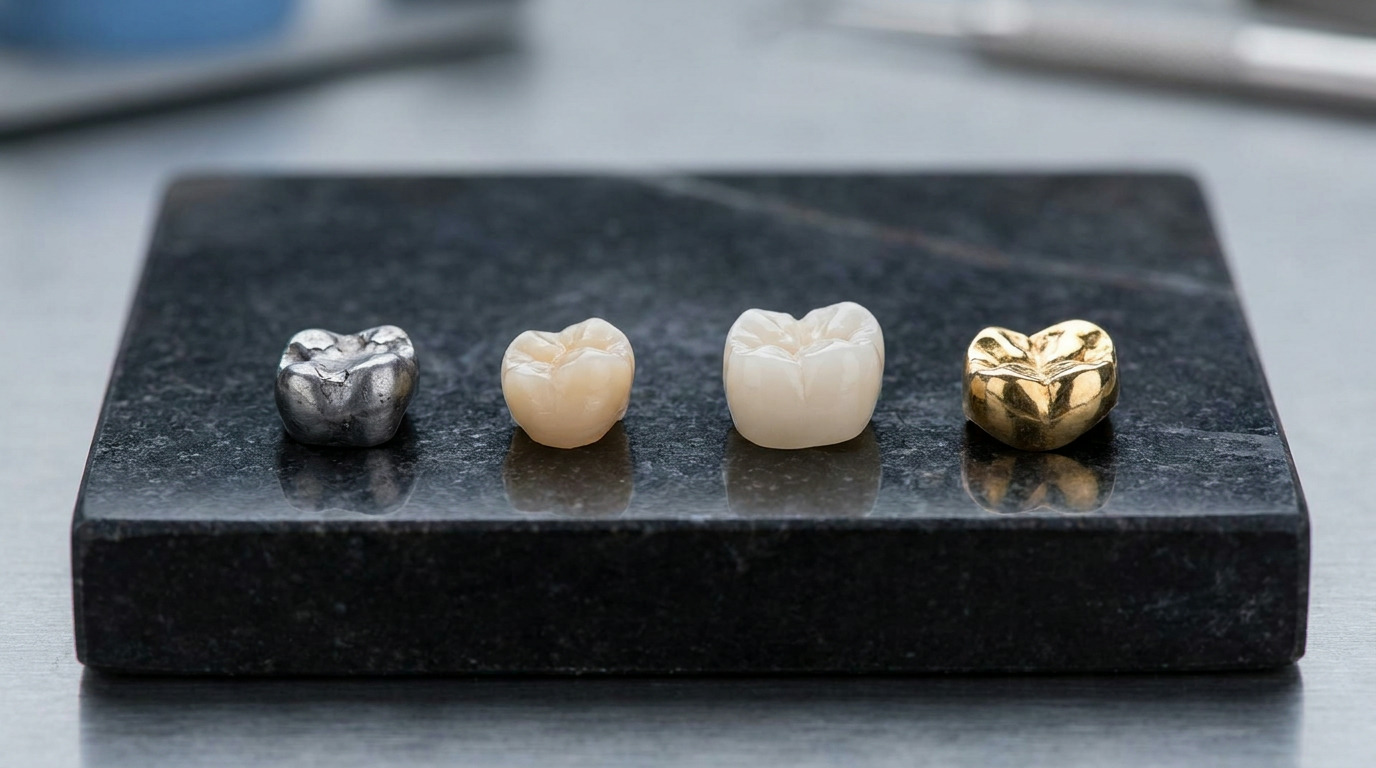
For exceptional durability, gold fillings and ceramic fillings are generally considered the longest-lasting options. They can withstand significant chewing forces and last for decades with proper care. Dr. Cory Fortson discusses these and other choices based on the tooth's location and patient needs.
3. Does insurance cover dental filling replacements?
Many dental insurance plans cover a portion of the cost for dental filling replacements, especially when a filling is failing or damaged. Coverage can vary widely depending on your specific plan. The team at Fortson Dentistry - Lathrup Village can help verify your benefits.
4. How can I tell if my filling is cracked?
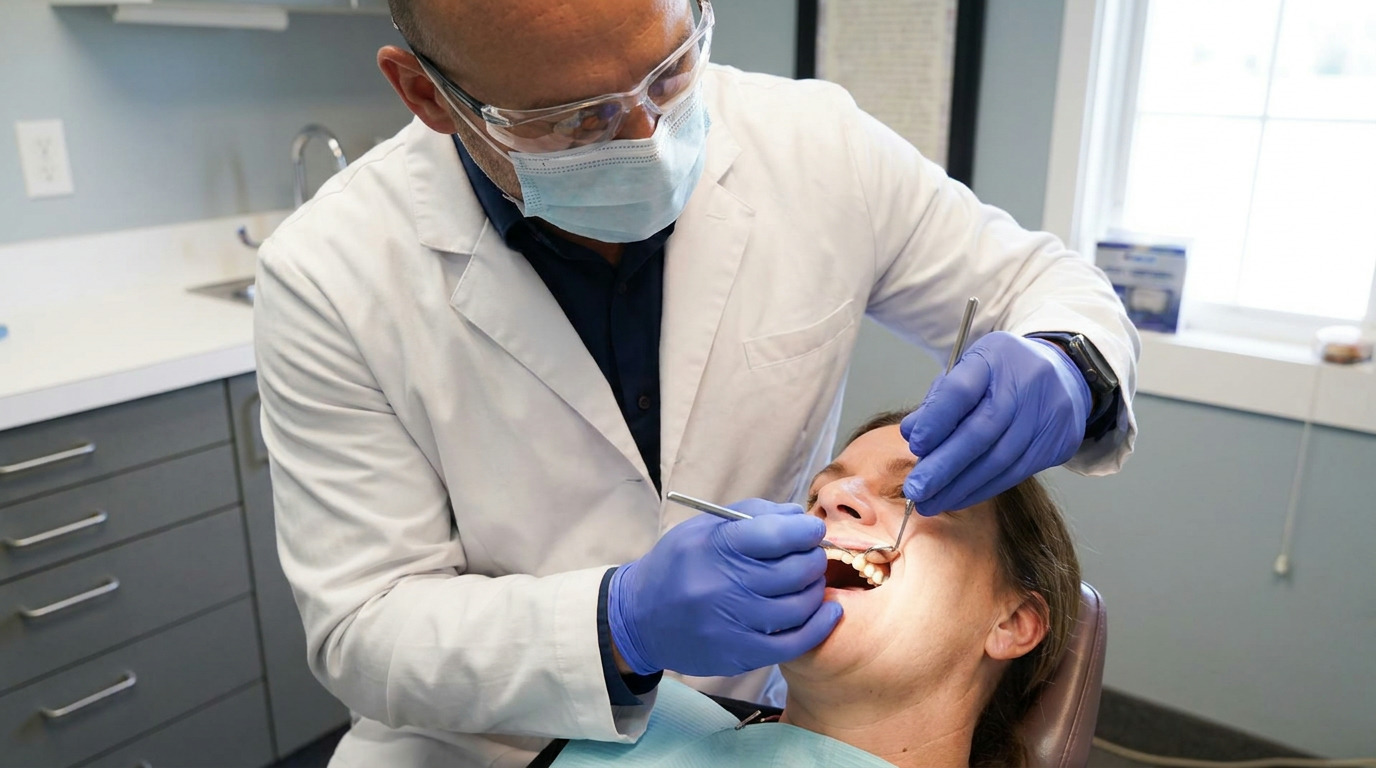
A cracked filling might cause sensitivity to temperature or pressure, sharp pain when biting, or a rough spot on the tooth surface. Sometimes, a crack is not visible to the naked eye. Dr. Cory Fortson uses specialized tools and X-rays to accurately diagnose any issues during a dental exam.
5. Is it painful to get a filling replaced?
Replacing a dental filling is typically not painful. Dr. Cory Fortson uses local anesthesia to numb the tooth and surrounding area before beginning the procedure, ensuring your comfort throughout the process. Patients may experience some mild sensitivity afterward, which usually subsides quickly.
6. How long after a filling replacement can I eat?
Generally, if you received a composite (tooth-colored) filling, you can eat immediately after your appointment. If you received an amalgam (silver) filling, Dr. Cory Fortson usually recommends waiting a few hours for it to set completely before chewing on it, though this is less common today.