.png)
The Night Everything Changed
At 2:17 a.m., Melissa stared at the red numbers on her alarm clock, blinking through tears. Her jaw throbbed in slow, pulsing waves, the kind that made it impossible to lie still. She had tried everything, ibuprofen, a cold compress, pacing the hallway while clutching her cheek. Nothing touched it.
In her head, one thought kept repeating, “Is this serious, or am I overreacting?”

If you have ever been awake in the middle of the night with tooth pain that feels louder than the room, you already know how helpless it can feel. Pain like that does not politely wait for business hours. It demands attention, reassurance, and relief.
Melissa was not thinking about enamel or nerves. She was thinking about sleep, work in the morning, and whether something was very wrong.
When Pain Stops Being Just An Inconvenience
By sunrise, Melissa’s discomfort had turned into fear. Sharp pain when she bit down, a dull ache spreading toward her ear, and a nagging worry that something inside her tooth was spiraling out of control.
That moment, when pain shifts from annoying to consuming, is usually when patients realize this is not something to “wait out.” Dental pain has a way of hijacking your entire nervous system. It makes small decisions feel heavy and normal routines impossible.
What most people do not realize is that pain is your body’s alarm system, not the problem itself. It is the smoke detector, not the fire. And when it is loud enough to keep you awake, it is telling you something important.
The Real Question Patients Ask
Melissa did not Google “emergency dentistry pain control.”
She typed, “Why does my tooth hurt so bad when I lie down?”
That question matters. Because most patients are not looking for a lecture. They want to know if relief is possible and how fast it can happen.
In emergency dentistry, pain control is not about masking symptoms. It is about calming the nerve, stopping inflammation, and addressing the source before it escalates.

At practices like Fortson Dentistry in Lathrup Village, emergency care focuses on stabilizing the situation first, then guiding you toward the right long-term solution.
Why Tooth Pain Feels So Intense
Melissa was surprised when Dr. Fortson explained it using a simple comparison.
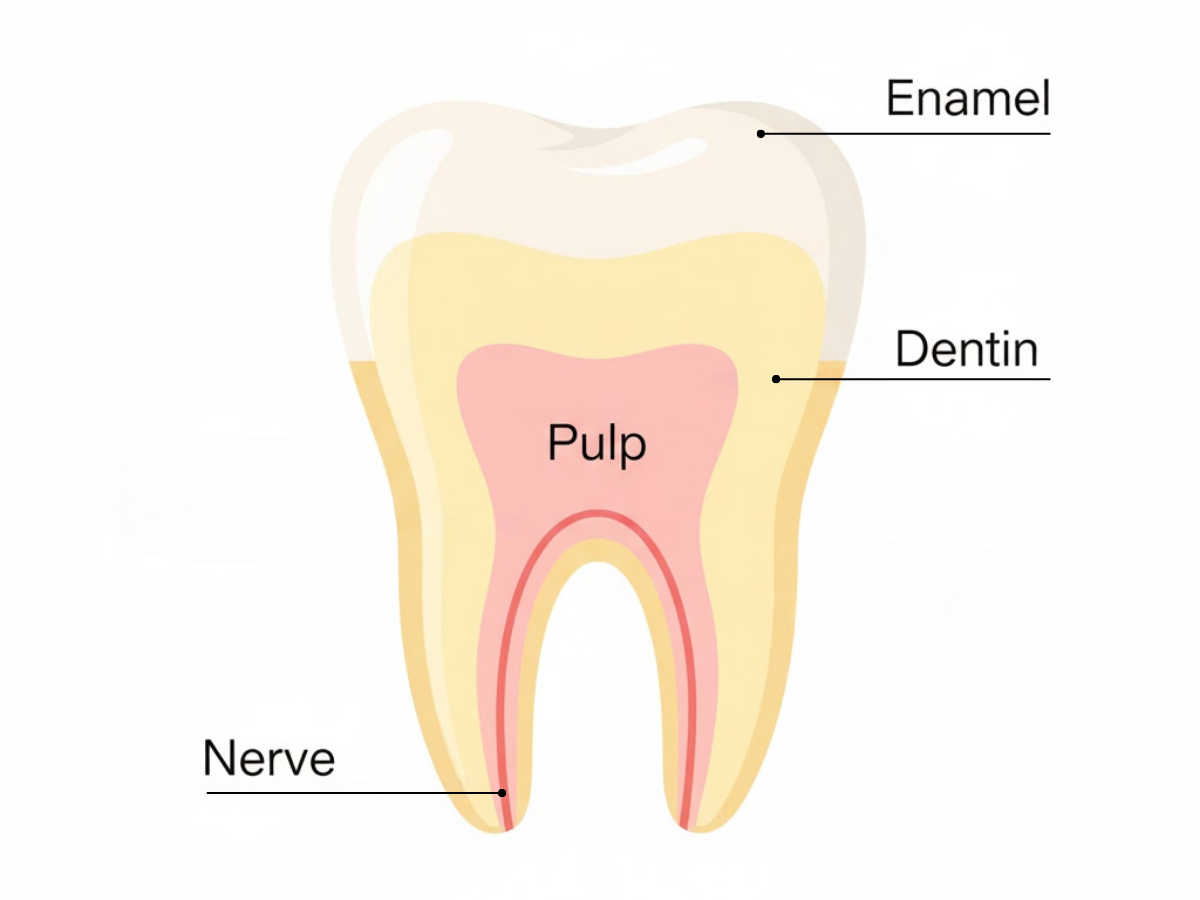
“Think of your tooth like a house,” he said. “The nerve is the electrical panel. When it’s exposed or irritated, everything lights up.”
Unlike muscles or skin, dental nerves sit in a rigid space. There is no room for swelling. So when inflammation starts, pressure builds fast, which is why dental pain can feel relentless.
Common causes include
• Deep decay reaching the nerve
• Cracks you cannot see but can feel
• Infections building pressure at the root
• Gum infections pulling away protective tissue
Pain does not mean the tooth is lost, but it does mean it needs attention.
What Happens During An Emergency Visit
Melissa expected chaos. What she found instead was calm.
Emergency appointments are designed around comfort first, not judgment or rushed decisions. The initial goal is simple, get you out of pain safely.
That often includes
• Targeted numbing that actually works
• Anti-inflammatory treatment to reduce pressure
• Gentle drainage if infection is present
• Clear explanations without overwhelm
If you have ever had dental numbing fail before, you are not alone. Inflamed nerves resist anesthesia, which is why emergency dentists use specific techniques to calm the area before proceeding.
At Fortson Dentistry’s emergency care visits, patients are walked through each step so nothing feels sudden or scary.

The Moment Relief Finally Hits
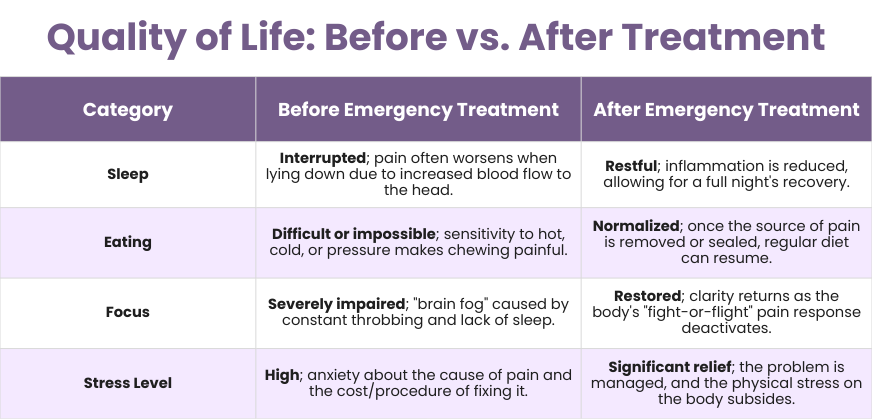
Melissa noticed it slowly. The tension in her shoulders eased. The sharp edge dulled. For the first time in two days, she unclenched her jaw.
That moment of relief is not just physical. It is emotional. Pain makes people feel out of control. Relief restores confidence.
Emergency pain control is often the turning point where patients realize, “I should not have waited this long.”