Expert dental tips, news, and smile advice
What Does A Cavity Look Like As It Starts To Form
When Melissa First Noticed Something Was Off
Melissa was standing in her bathroom one Tuesday morning, leaning closer to the mirror than usual, tilting her head side to side. She was already running late for work, coffee cooling on the counter, when she saw it. A tiny dark shadow on the side of her back molar. Not a hole exactly. Not pain. Just… something.
Her first thought was practical, “Is that just a stain from coffee?”
Her second thought was emotional, “What if it’s a cavity?”
She brushed again, harder this time, mint foam stinging her gums. The spot didn’t disappear. That quiet uncertainty stuck with her all day, the same way it sticks with a lot of people who search “what does a cavity look like” late at night, phone glowing in the dark.

Why Cavities Rarely Look The Way You Expect
Melissa assumed cavities looked like cartoon-style black holes, the kind you see in toothpaste commercials. That belief almost talked her out of calling a dentist. In reality, what a cavity looks like depends on how early it’s caught, and most start quietly.
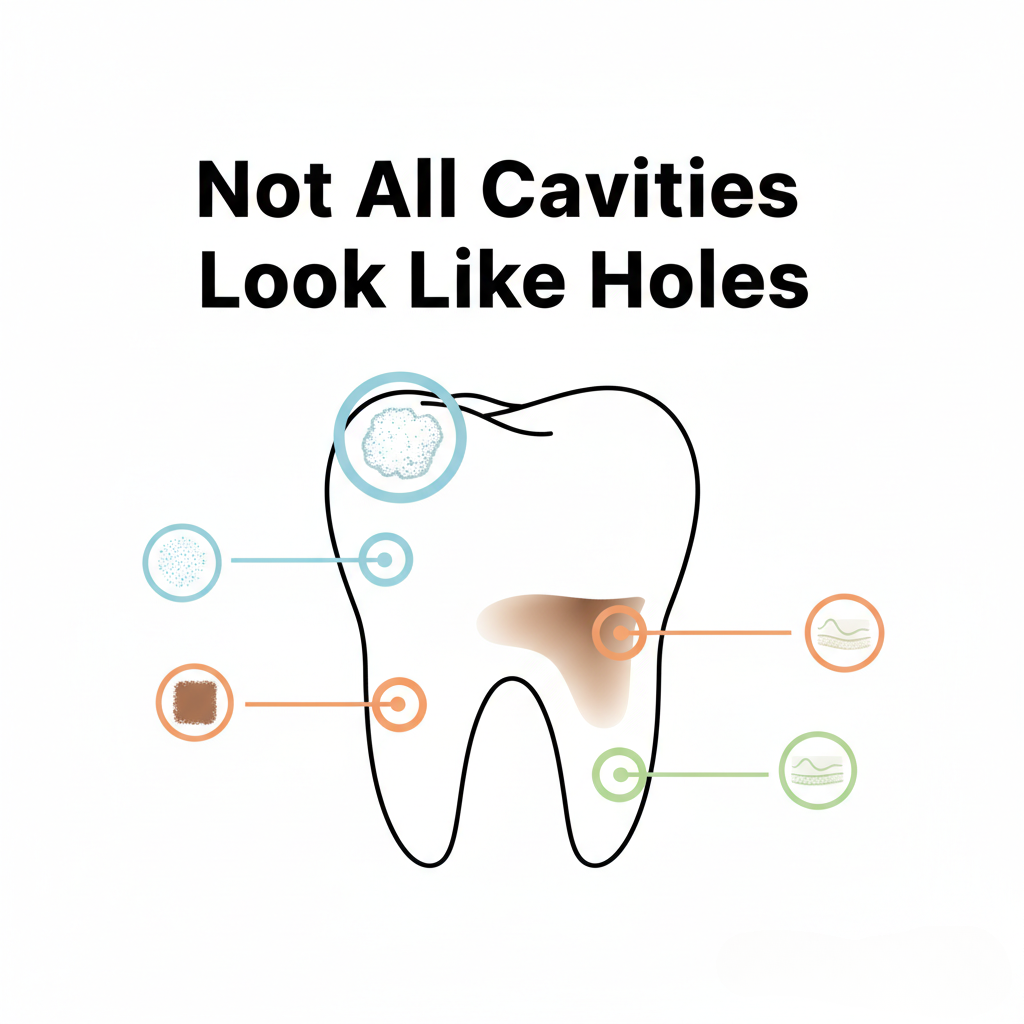
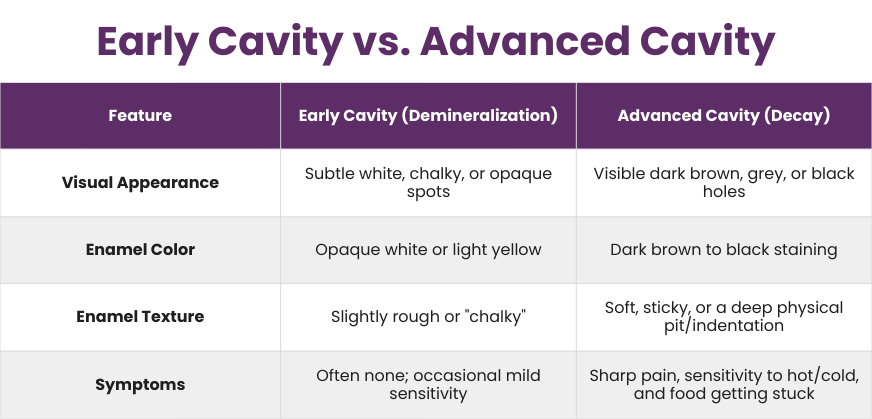
Early tooth decay often looks like a chalky white spot, almost like the enamel lost its shine. It can also appear as a faint brown or gray discoloration tucked between teeth where you rarely look. Think of enamel like a clear coat on a car. Once it starts wearing thin, the damage underneath becomes visible long before a hole forms.
What surprised Melissa most was learning that cavities don’t always hurt. Pain usually comes later, once decay reaches dentin or the nerve. That’s why routine exams and digital imaging during general dentistry visits catch problems long before discomfort forces action.
The Subtle Signs Most People Miss At First
Over the next few days, Melissa started noticing other clues. Her tooth felt rough when she ran her tongue over it. Cold water lingered just a second longer than usual. Nothing dramatic, just enough to raise questions.
Early cavity signs often include tiny pits, faint shadows, or texture changes that feel more than they look. On front teeth, decay may show as a dull white patch. On molars, it hides in grooves like crumbs stuck in a couch seam. Between teeth, it’s practically invisible without X-rays.
This is where patients often blame themselves. “I brush twice a day, how could this happen?” The truth is cavities are influenced by anatomy, saliva, diet, and genetics, not just brushing habits. That understanding alone brings relief to many patients walking into Fortson Dentistry for the first time.
What A Cavity Looks Like Once It Breaks The Surface
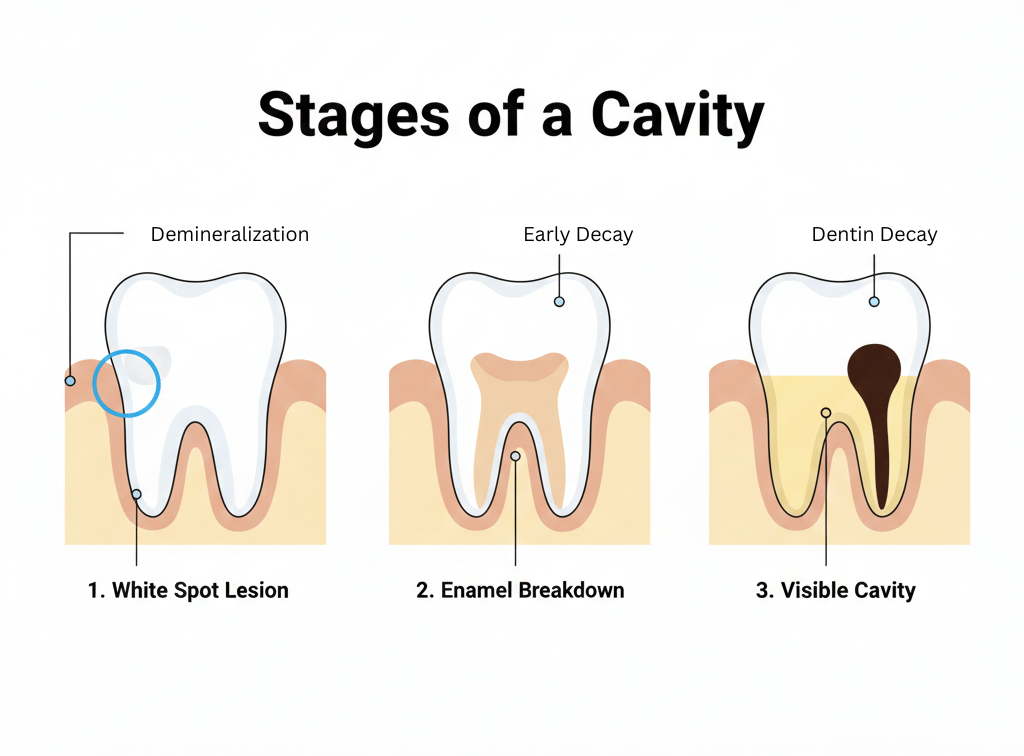
By the time a cavity becomes obvious, it usually looks like a dark spot, visible pit, or small hole in the tooth. At this stage, enamel has broken down and bacteria are working deeper, like termites behind a wall you can finally see crumbling.
Melissa’s spot hadn’t reached this point yet, which was good news. Once decay is visible as a hole, treatment often requires a filling and occasionally more extensive restorative dentistry. The deeper it goes, the more time, cost, and healing are involved.
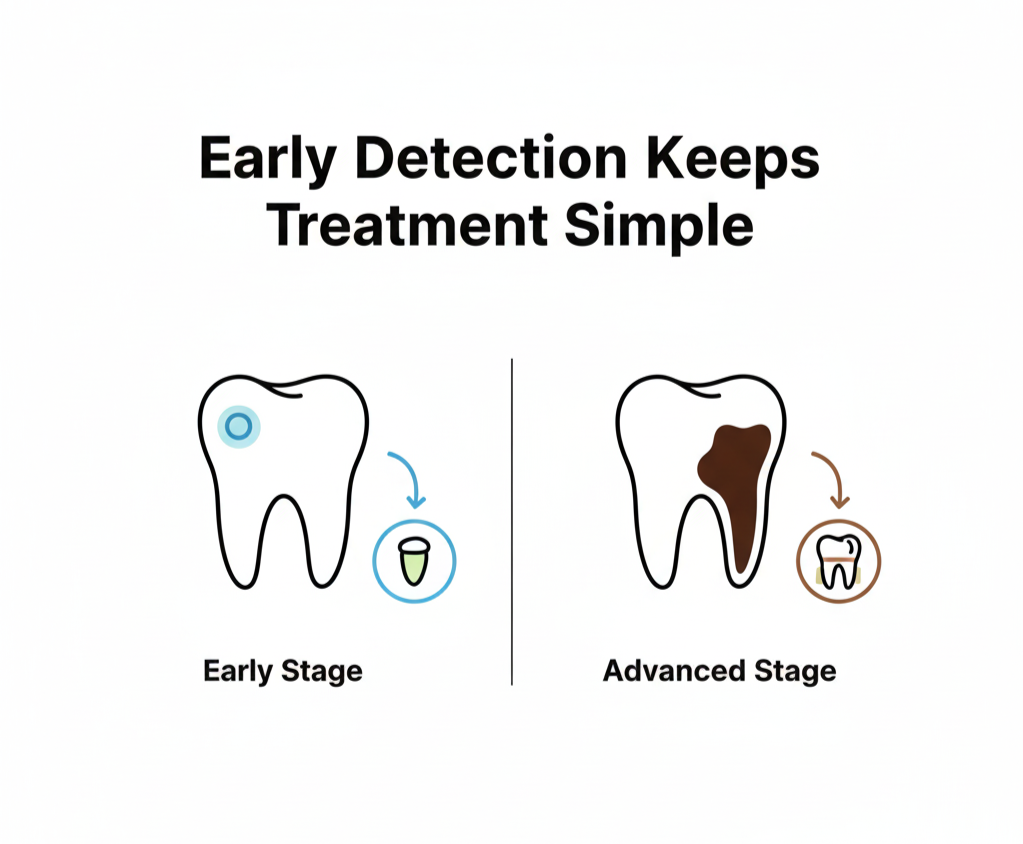
Seeing a cavity doesn’t mean you failed, it just means your tooth is asking for help. Catching it earlier keeps the solution simpler, more affordable, and far less stressful.
Trust Your Instincts Early
Ready to Transform Your Smile?
If you’ve noticed a spot, shadow, or texture change on your tooth, a quick exam can bring clarity and peace of mind. Schedule a visit through our Contact Us page and let an experienced team guide you without pressure or judgment.
Book your visit today and enjoy personalized care, advanced technology, and a $70 New Patient Special — including full-mouth X-rays and a comprehensive exam. From Invisalign to dental implants, our expert team is here to help you smile with confidence.

What Dentists See That You Can’t At Home
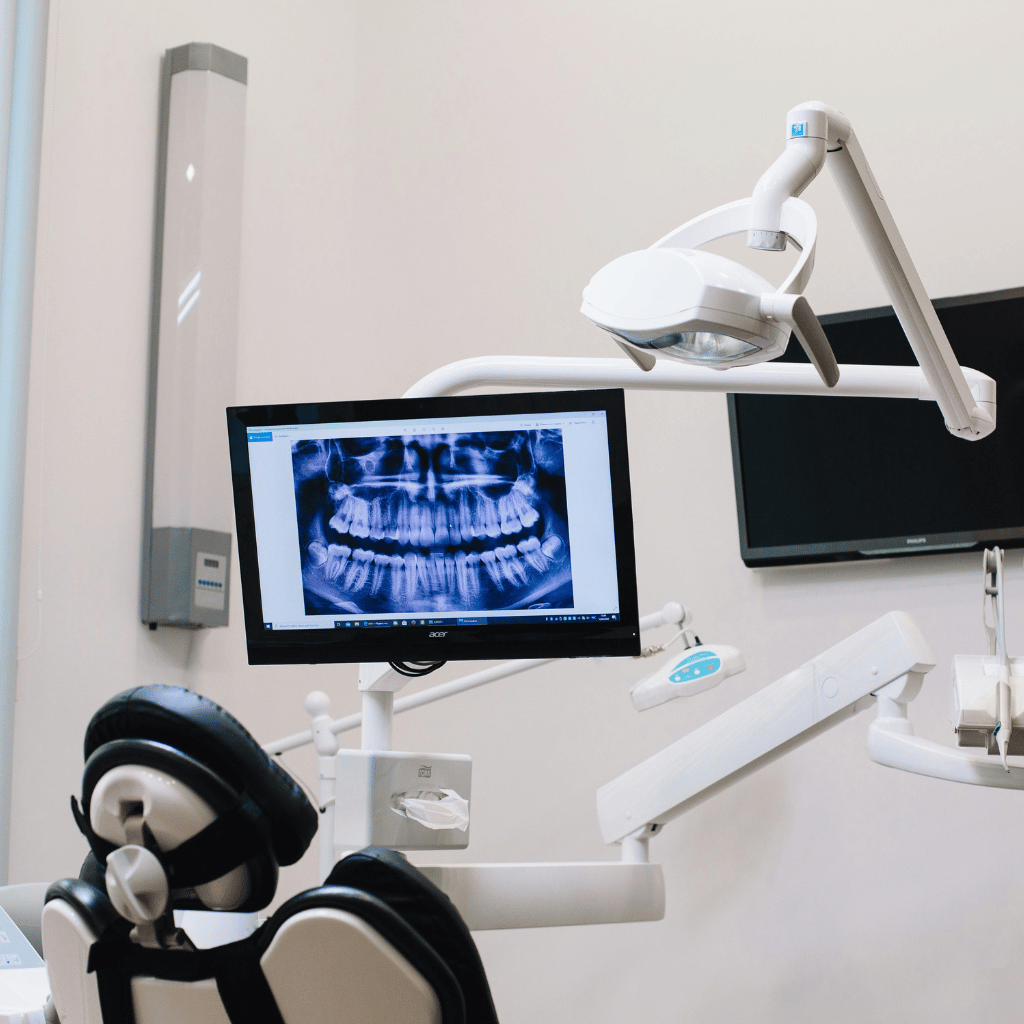
During Melissa’s visit, she was surprised by how calm the appointment felt. With digital imaging and magnification, dentists can spot decay long before it becomes visible. Areas between teeth and beneath old fillings often hide decay like rust under paint.
This is why regular exams matter even when nothing hurts. A cavity can look harmless on the surface while progressing underneath. The goal is always preservation first, keeping as much natural tooth structure as possible.
Patients often leave saying the same thing Melissa did, “I’m so glad I didn’t wait.”

How Treatment Changes Based On What It Looks Like
What a cavity looks like directly shapes how it’s treated. White spot lesions may be reversed with fluoride and improved home care. Small enamel cavities usually need a conservative filling. Deeper decay may require crowns or root canal therapy to save the tooth.
Melissa’s cavity was caught early, meaning minimal drilling, natural color filling, and no lingering sensitivity. Treatment took less than an hour, and she returned to work the same day. That outcome isn’t luck, it’s timing.
Understanding cavity appearance helps patients feel informed rather than blindsided, especially when discussing options during cosmetic dentistry or fillings appointments.

Seeing Your Smile Differently After
A week later, Melissa caught her reflection again. This time, no dark spot, no doubt. More importantly, she felt confident knowing what to look for moving forward. Cavities weren’t mysterious anymore.
That’s the real shift. When patients understand what a cavity looks like, they stop fearing the unknown. They become partners in their care, noticing changes early and acting with confidence instead of anxiety.
If something doesn’t look right, trust that instinct. Your smile is trying to tell you something.

Ready For Clarity Instead Of Guessing?
If you’re seeing something on your tooth that doesn’t feel right, you don’t have to figure it out alone. The team at Fortson Dentistry focuses on early detection, honest answers, and care that respects your comfort and time. Schedule your visit and take the uncertainty off your plate.
FAQ
What Does A Cavity Look Like In The Very Beginning?
Early cavities often look like dull white or chalky spots on the enamel. They may feel rough before they ever hurt, which is why early exams are so important.
Can A Cavity Be Brown Or Black Without Pain?
Yes. Discoloration can appear long before pain starts. Pain usually means decay has reached deeper layers of the tooth.
How Do Dentists See Cavities Between Teeth?
Dentists use digital X-rays and visual magnification to detect cavities that are impossible to see at home, especially between molars.
Is A Dark Spot Always A Cavity?
Not always. Some stains mimic decay. A professional exam is the only way to know for sure.
Does Catching A Cavity Early Reduce Cost?
Absolutely. Early treatment often avoids crowns, root canals, and higher costs associated with advanced decay.
BOOK AN APPOINTMENT
New patients only. The cost of a New Patient Appointment will be $150. Cannot be combined with any other offer or insurance. Limited time offer. Call (248) 557-8120 for details.

Thank you for booking your appointment!
We’ve received your request and will contact you soon to confirm the details. We look forward to seeing you at Fortson Dentistry South Lathrup.